Introduction: The Hidden Logic of Entrance Light Choices
Define the goal first: an entrance hall is not just a pretty space; it is a system that guides, welcomes, and sets visual comfort in seconds. In nan, details like height, spread, and control do the heavy lifting. Data says visitors form impressions within 7–10 seconds, while lighting guidelines call for 100–150 lux at floor level and high CRI for finishes. So why do many foyers still feel flat, harsh, or dim? The answer often lies in how we choose and configure modern entrance hall chandeliers—from optics to drivers. A chandelier is not only a form; it is an engineered stack: lumen output, color rendering index, dimming curves, and even the power factor of the driver. Today, many systems also talk to edge computing nodes in the smart home (and yes, the cable length matters). If the system design is off by a small step, the eye notices at once—funny how that works, right?
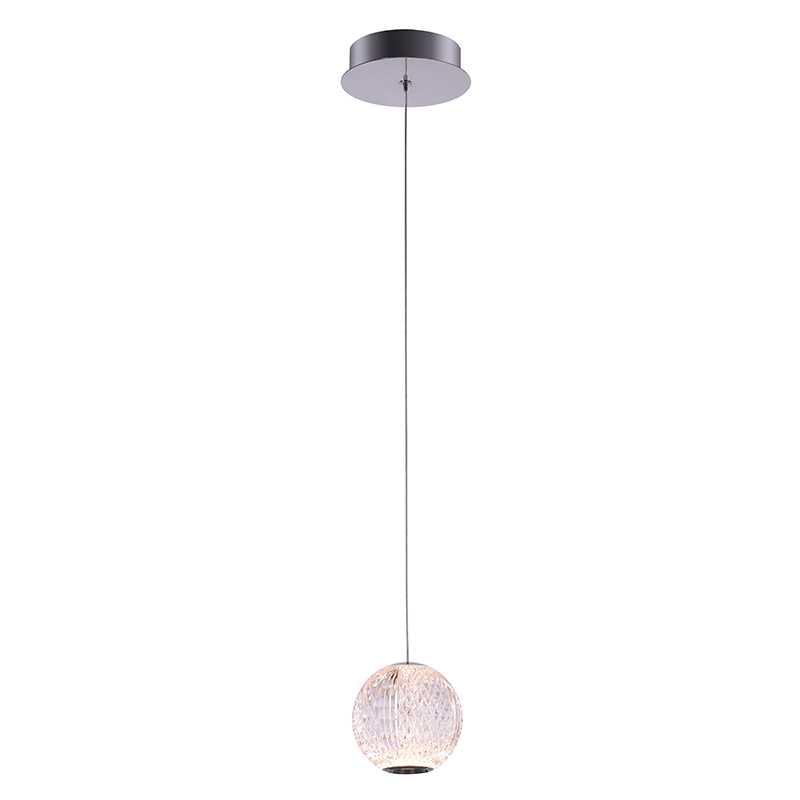
Here is the challenge and the opportunity: treat the hall like a well-tuned interface, not a static fixture. That mindset leads to better comfort, lower glare, and fewer callbacks. Let’s uncover where the common methods fall short, and what to do instead.
The Deeper Problem: Why Traditional Setups Miss the Mark
Where do classic setups stumble?
Old rules favor size and wattage; modern comfort needs optics and control. That gap creates most complaints. Legacy chandeliers often run incandescent or basic LED replacements with weak thermal management and inconsistent dimming curves. The result is flicker at low levels, color shift, hot spots on floors, and glare on glossy doors. Another issue is scale: a large fixture hung too high gives sparkle but poor vertical illuminance. Guests see the light, not the space they need to navigate. Look, it’s simpler than you think: map the beam spread to the room’s proportions, then match driver capability to control goals.
Power is not just power. Poorly matched power converters or non–constant-current drivers lead to unstable output and short lamp life. Decorative lenses can trap heat, cutting lumen maintenance long before warranty ends. Maintenance rises. Bills creep up. The hall stays uneven. Traditional “one centerpiece does it all” also ignores layers. Without a perimeter wash or a low-glare accent, you overdrive the chandelier and create contrast glare. Users feel this as eye fatigue, even if they can’t name it. The fix begins by reframing the chandelier as the anchor of a system: it sets mood, but it should not carry all the load by itself.
Comparative Lens: New Principles That Make Foyers Future-Ready
What’s Next
Modern practice compares two paths: showpiece-only vs. showpiece-plus-system. The second wins on comfort and stability. Here is why. New LED engines with constant-current drivers stabilize output across dimming, holding color uniformity while avoiding micro-flicker. Optics shift from “sparkle first” to a balanced spread, improving vertical illuminance so faces and materials read well. When a centerpiece—say a 12 light pendant chandelier—pairs with a discreet wall wash, you can run lower amperage, reduce driver strain, and keep thermal headroom. Controls matter, too: set a soft ramp, add a night scene, and keep standby draw low. Think in systems: driver circuitry, sensor logic, and scene libraries, not just form factor. This is how you get elegance without glare, and drama without fatigue.
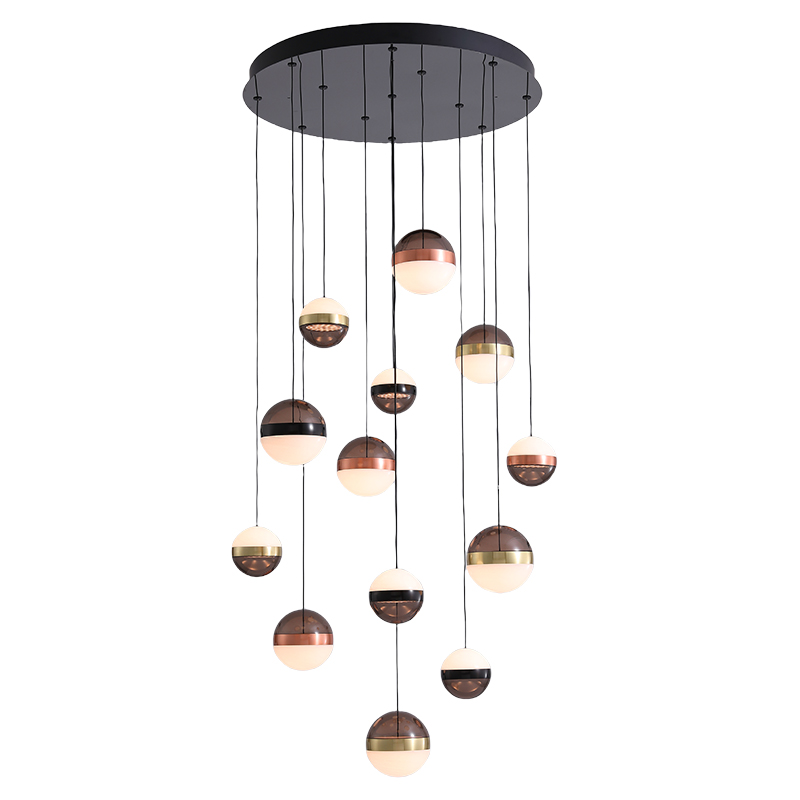
Looking ahead, two ideas grow fast. First, adaptive dimming linked to occupancy and daylight trims energy while keeping mood intact—small algorithms, big comfort. Second, health-forward color (high CRI with stable R9) ensures wood, stone, and skin look natural at evening levels. Compare that to older installs with uncorrected flicker and poor color stability—eye strain and flat textures. Summing up, we move from “bright object in the middle” to “well-governed light field.” Advisory close-out for choosing wisely: – Measure UGR/glare in the actual space, not just on paper. – Verify driver specs for low-end dimming and flicker index (<1% visible). - Check system efficiency under scenes, including standby watts. Decide with data, then tune with care—your foyer will tell you when it’s right. For reference and further study, see kinglong.