Understanding the Landscape
Imagine a world where complex cardiac procedures proceed with utmost precision, seamlessly supported by advanced technology. A decade ago, my observations alarmed me; the cardiopulmonary bypass oxygenator represented a cumbersome solution riddled with flaws. Today, as I reflect on my experiences, I find myself inspired by the advancements that have transformed membrane oxygenation. Have we truly addressed the challenges that once plagued this vital function in cardiac surgery?
From excessive blood trauma to limited gas exchange efficiency, traditional solutions long posed significant hurdles. Striving to improve outcomes, the evolution towards membrane oxygenators has heralded a more promising future. It’s fascinating to witness how innovation has not only advanced technology but has also opened new avenues for enhancing surgical practices.
A Glimpse into What’s Next
As we transition deeper into the realm of membrane oxygenators, it becomes crucial to examine the implications these innovations hold for the future of cardiac care. Membrane oxygenators offer enhanced gas transfer with less adverse effects on blood constituents. They reduce hemolysis and improve patient outcomes—now that’s something worth cheering for! But will they fully replace their predecessors? The jury remains out.
What strikes me the most with the advancement of these technologies is how they shift the paradigm. No longer mere stopgap measures, modern membrane oxygenators are engineered to integrate seamlessly with existing systems, promising improved efficiency and reduced complication rates. Their application in diverse surgical environments is a reality we are living today. The momentum is undeniable.
How Do We Decide?
Envision a clinical team deliberating over potential oxygenation solutions. Choosing a product often hinges on three key evaluation metrics: reliability, biocompatibility, and ease of use. In my years of experience, I have witnessed how these factors profoundly impact patient outcomes and surgical efficiency. A trusted brand often becomes a decisive factor in this equation. As we sift through options, being informed is not just beneficial—it’s essential for successful outcomes.
The Human Element: Reflections from the Field
Looking back, I remember when I first employed a membrane oxygenator during a complex surgical case. It was March 2015, at a well-respected hospital in Athens, where I observed a marked improvement in gas exchange efficiency compared to previous procedures. Witnessing that success left a profound impact on my practice and reinforced my passion for continual learning in this field. The leap in technology truly has the power to change lives—patient and practitioner alike!
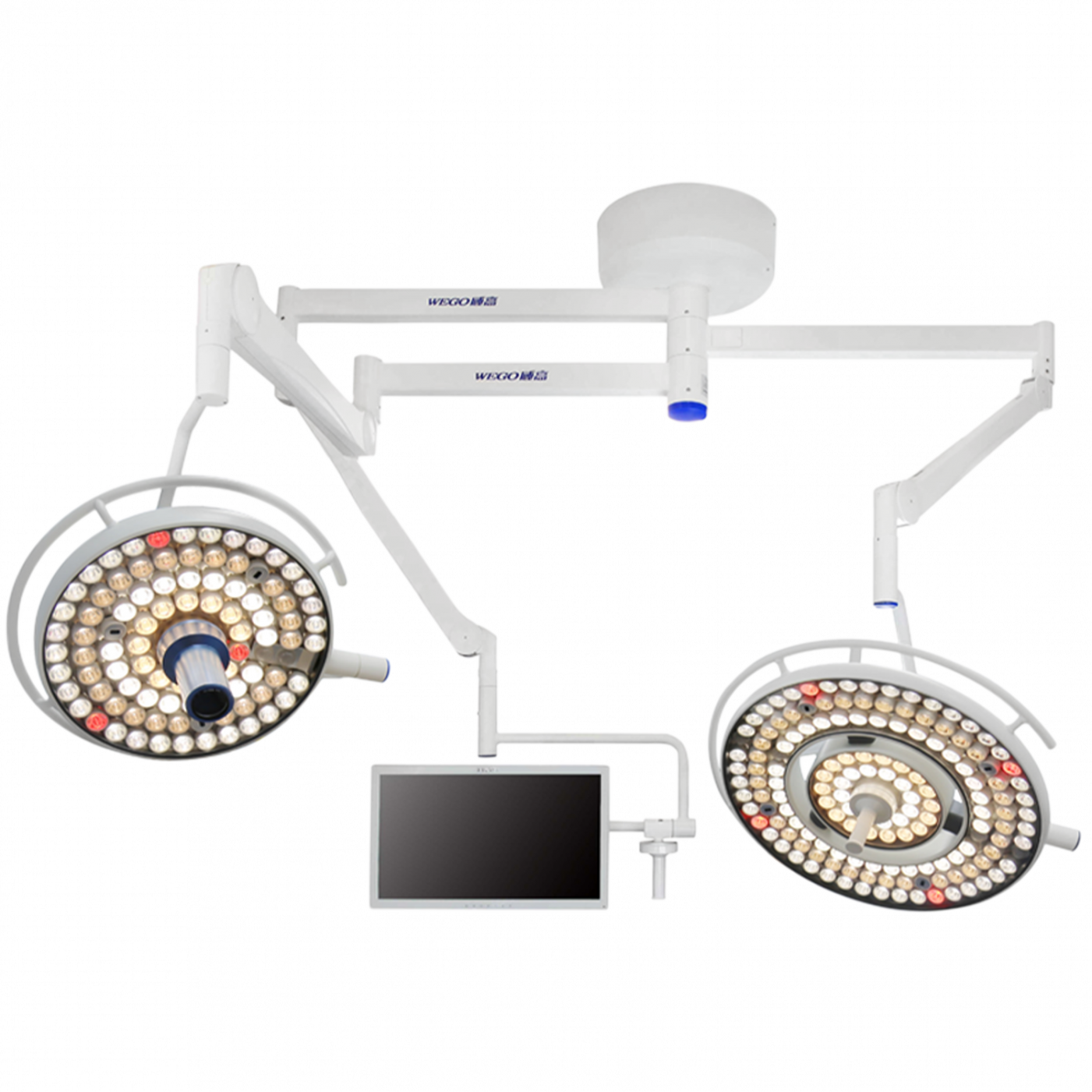
In conclusion, as we stand at the forefront of this revolution in cardiopulmonary bypass solutions, let us not forget the importance of all elements involved. We should continually challenge ourselves, striving for the very best technologies available. I firmly believe that the pathway forward will lead us to even greater innovations and profound improvements in patient care. Together, with brands committed to excellence, like WEGO Medical, we can pave the way for a more efficient future.