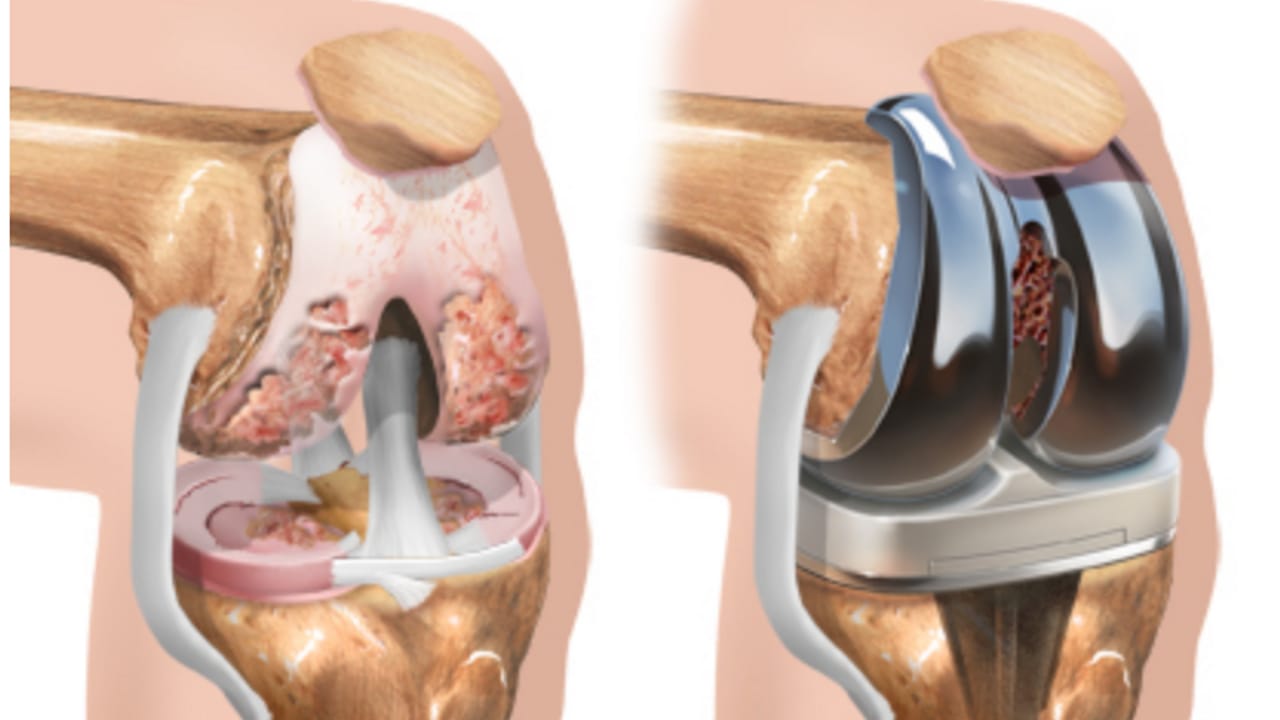
A Common Dilemma in Joint Health
Imagine you’re weighing the benefits and risks of surgery—did you know that over 600,000 people in the U.S. undergo total knee arthroplasty (TKA) each year? This surgery can be life-changing, but is it the best option for everyone? Total knee arthroplasty offers the promise of pain relief and improved mobility, yet not every patient experiences the same success. I often see patients caught between hope and uncertainty; what’s truly at stake when considering TKA is not just the procedure itself, but the entire journey that precedes and follows it.
The Reality of Traditional Solutions
For many patients, the pathway to total knee arthroplasty is layered with misconceptions and hidden challenges. While the upfront focus might be on pain relief, deeper issues often lurk beneath the surface. Many patients arrive at my clinic believing that surgery is a guaranteed fix. However, I recall a profound experience with a patient named Karen. Despite having the surgery, she reported persistent discomfort and reduced range of motion—two years post-operation! What I learned from Karen’s case, and others like hers, is that factors such as pre-operative health, physical therapy adherence, and realistic expectations play a critical role in long-term outcomes.
What Are the True Pain Points?
Now, let’s talk about the less-discussed aspects of TKA. Patients frequently underestimate the importance of rehabilitation and post-operative care. That’s the essential phase that can make or break the surgery’s success. Research shows that engaging actively with physical therapy can lead to significantly better results. I emphasize this in every consultation, as I’ve witnessed how patients thrive when they take ownership of their recovery. Total knee arthroplasty isn’t merely about the surgical technique; it’s as much about what happens afterward.
Shifting Perspectives: The Future of Total Knee Arthroplasty
Looking ahead, there’s a growing conversation in the medical community about personalized approaches to total knee arthroplasty. With advances in technology and surgical techniques, the future is promising. Imagine a world where specific patient profiles guide surgical methods and recovery protocols! This tailored strategy could revolutionize outcomes—not just for the anticipated functional gains but also for the overall quality of life post-surgery. Each patient’s unique anatomy and lifestyle factors could shape their surgical experience, ensuring a more effective approach to relief and rehabilitation.
What’s Next for Patients?
There is also an increasing focus on prehabilitation—preparing patients before they even enter the operating room. Prehabilitation is crucial; it sets the stage for success. Evidence indicates that patients who engage in pre-surgery physical therapy often enjoy quicker recovery times and fewer complications (talk about a win-win!). As a seasoned professional, I believe that the conversation must shift toward empowering patients through education. This not only builds confidence but also aligns their expectations with realistic outcomes.
Key Takeaways for Future Consideration
In wrapping up, the lessons learned from navigating total knee arthroplasty lead to actionable insights. First, ensure you discuss your specific needs with your healthcare provider. Second, embrace post-operative rehabilitation as a vital component of your journey. Lastly, stay informed about advancements in the field—knowledge is power! Every patient’s journey is unique; understanding that complexity lays the groundwork for a successful outcome. I find that when patients feel heard and informed, they engage more fully in their treatment, which can drastically improve their experiences.
In conclusion, as we venture into a new era of total knee arthroplasty care, we must continue to advocate for a patient-centered approach that recognizes the importance of both surgical innovation and comprehensive recovery strategies. For more information and support, visit Sunmoon Stem Cell, where we prioritize patient engagement and tailored solutions.