Introduction: A Room, a Voice, a Missed Cue
It starts with a simple scene: a team gathers in a quiet room, remote faces join, and then someone’s voice fades just as the key idea arrives. Hybrid meeting room solutions seem to promise ease, yet many rooms still feel fragile. In many organizations, 40–60% of hybrid meeting time is lost to setup, repeats, or silence while people adjust cables and apps. Now pause—if the room could guide the experience, not the other way around, what would change for your team, your attention, your day?

In one survey after another, people say they feel less seen and heard when audio drifts or the PTZ camera frames the wall, not the face. Add a few simple facts: when acoustic echo cancellation (AEC) is mis-tuned and beamforming microphones are placed wrong, even a good idea sounds weak. Data aside, the real signal is human: tense shoulders, stalled decisions, a slow loss of trust. So here’s the question: what would it take to make hybrid rooms feel natural (and to stay that way without babysitting)? Let’s move from the surface issues to the deeper ones, and find what actually turns friction into flow.
Part 2: The Deeper Problem Traditional Rooms Don’t Solve
What’s breaking behind the scenes?
Under the hood, a hybrid conference system is less about screens and more about timing, gain, and network stability. Traditional “bolt-on” rooms stack devices that don’t share state. The DSP pipeline may use a safe, generic profile, so AEC fights room acoustics and loses. QoS is often misconfigured, so packets collide with cloud backups right when the CFO speaks—funny how that works, right? Then the codec bumps to a lower bitrate, the auto-framing lags, and presence suffers. People blame themselves, not the chain.
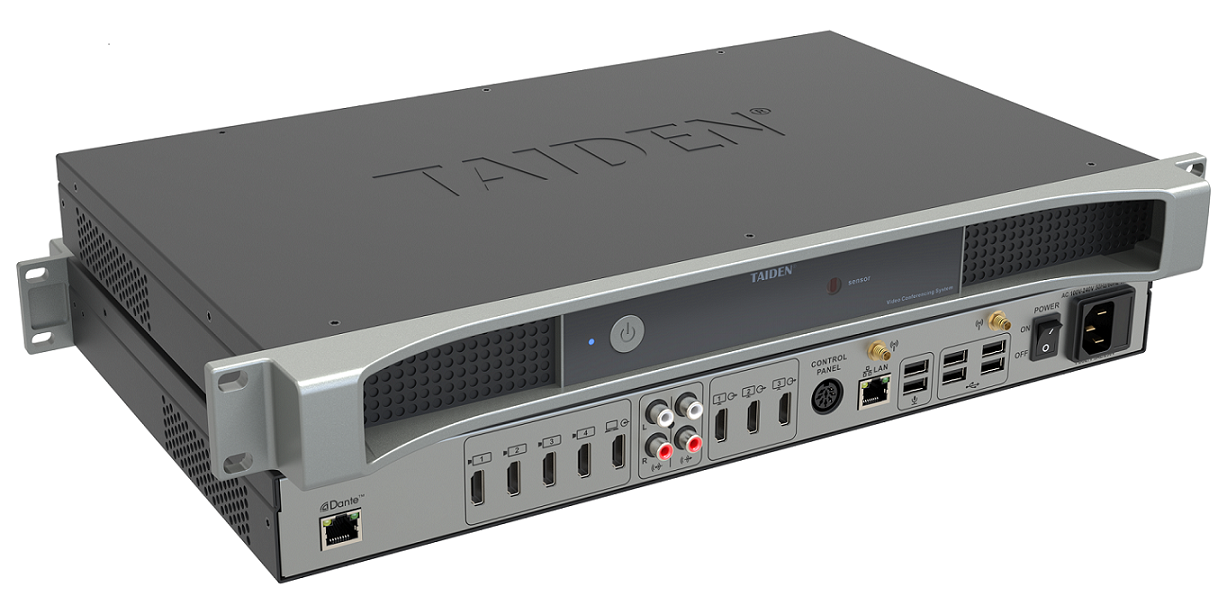
There’s also the hidden human load. Users juggle dongles, power converters, and USB hubs to bridge laptops and ceiling gear, while the SIP trunk or WebRTC client sits in a gray zone between “IT-owned” and “BYOD.” One missed firmware update ruins weeks of quiet reliability. The cure is not more control panels. It’s a system that senses the room, applies per-seat logic, and keeps state across calls. Look, it’s simpler than you think: consistent beamforming zones, stable network shaping, and policy-driven presets reduce 80% of those “Why can’t they hear me?” moments. When basics hold, attention returns to ideas.
Part 3: Forward-Looking Principles That Make Rooms Feel Effortless
What’s Next
The next wave is not about bigger screens; it’s about smarter layers that cooperate. Modern hybrid meeting technology shifts intelligence to the edge, where small nodes in the room run scene detection and noise suppression locally. That reduces latency and jitter while protecting privacy. Microservice-style control lets camera framing, AEC profiles, and lighting act as one policy, not three silos. With SD-WAN and QoS baked in, voice and camera streams get priority, even when the network surges. Power over Ethernet (PoE) plus device health telemetry means gear auto-recovers and the system can pre-warn before a mic fails—so meetings don’t. And when policies travel with the calendar booking, the room feels “pre-tuned” for a board review or design sprint—no fiddling, less stress.
Compare this to the old stack: manual gain staging, generic presets, and user-side guesswork. The forward model is adaptive by default—profiles shift with occupancy, AEC updates per seat, and the DSP learns the room’s echo map over time. It also adds clear guardrails: zero-trust device onboarding, encrypted control paths, and simple logs that a non-expert can read. Summing up, the core lessons are steady: remove setup drama, protect the audio chain, and shape the network so voices lead. Do that and the human texture returns—ideas land, faces feel present, and decisions speed up. A last thought—and yes, the room stops feeling like a science project. If you’re choosing a path, track three metrics: first, round-trip audio latency under 150 ms during load; second, adaptive gain stability across seats without clipping; third, end-to-end uptime including firmware and cloud services. These tell you if the promise holds when the room gets real. For teams seeking a grounded approach, brands with deep conference DNA, like TAIDEN, can be part of that steady foundation.