Introduction
I remember standing on a factory floor, the hum of rollers and the faint scent of freshly made fabric—simple moments that teach you more than a textbook ever could. The wet wipes production line I saw that day moved like a well-rehearsed chorus: unwind, form, cross-fold, package. (Yes, I took notes.) Recent market figures show demand rising steadily—numbers that nudge even cautious planners to act. So how do we balance cost, speed, and product integrity when every investment shapes a brand’s future? In the lines below I’ll share what I’ve learned and why these comparisons matter—leading us into the practical cracks beneath the shiny machines.
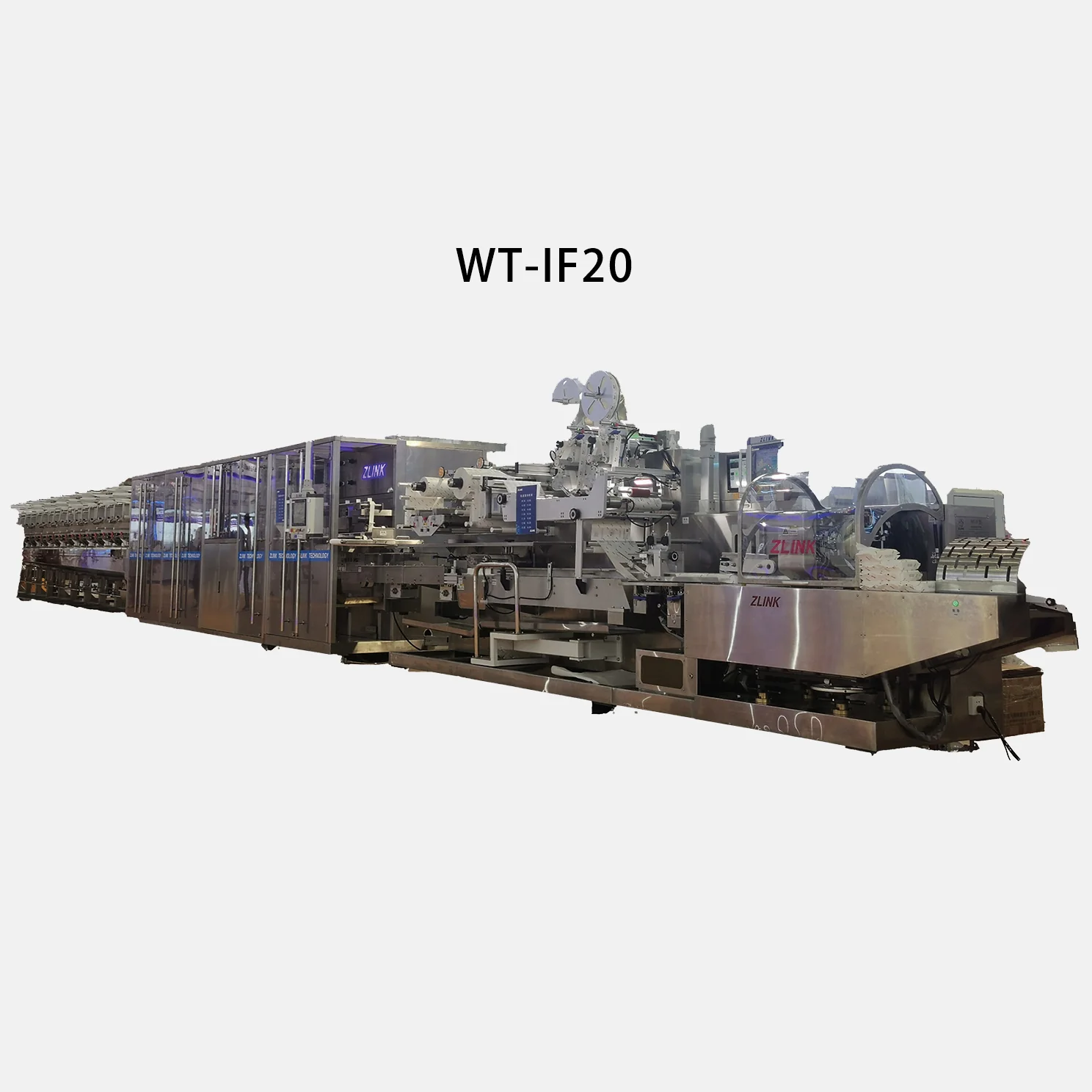
Where the Traditional Fixes Fall Short — a Technical View
I’ll be frank: many suppliers sell a neat picture but skip the hard parts. When you investigate wet wipe production line supply offers, the spec sheet dazzles—throughput, footprint, speed. Yet in practice, recurring faults appear: misfeeds at the cross-folding machine, inconsistent web tension that ruins yield, and control systems that demand custom PLC patches every other month. These aren’t small headaches; they erode margins.
Look, it’s simpler than you think—operators will tell you the same. The band-aid solutions often ignore root causes like poor servo motor calibration, inadequate rewinder torque compensation, and flimsy cutting die setups. The result: more downtime, more manual adjustment, and a slow burn on labor costs. From my hands-on work, I’ve seen lines with modern spunlace bonding still fail QC because they skimped on precise tension control. Technical fix? Better motion control and robust sensor feedback, not just a faster motor. The scary bit is that many buyers overlook lifecycle costs—maintenance, spare parts, training—until problems are urgent and expensive.
Why does this keep happening?
Because short-term savings often trump systems thinking. Suppliers promise quick delivery. Managers want throughput. But without harmonized subsystems—servo tuning, web guides, and a sensible HMI—efficiency is fiction. We need to ask clearer questions before signing contracts.
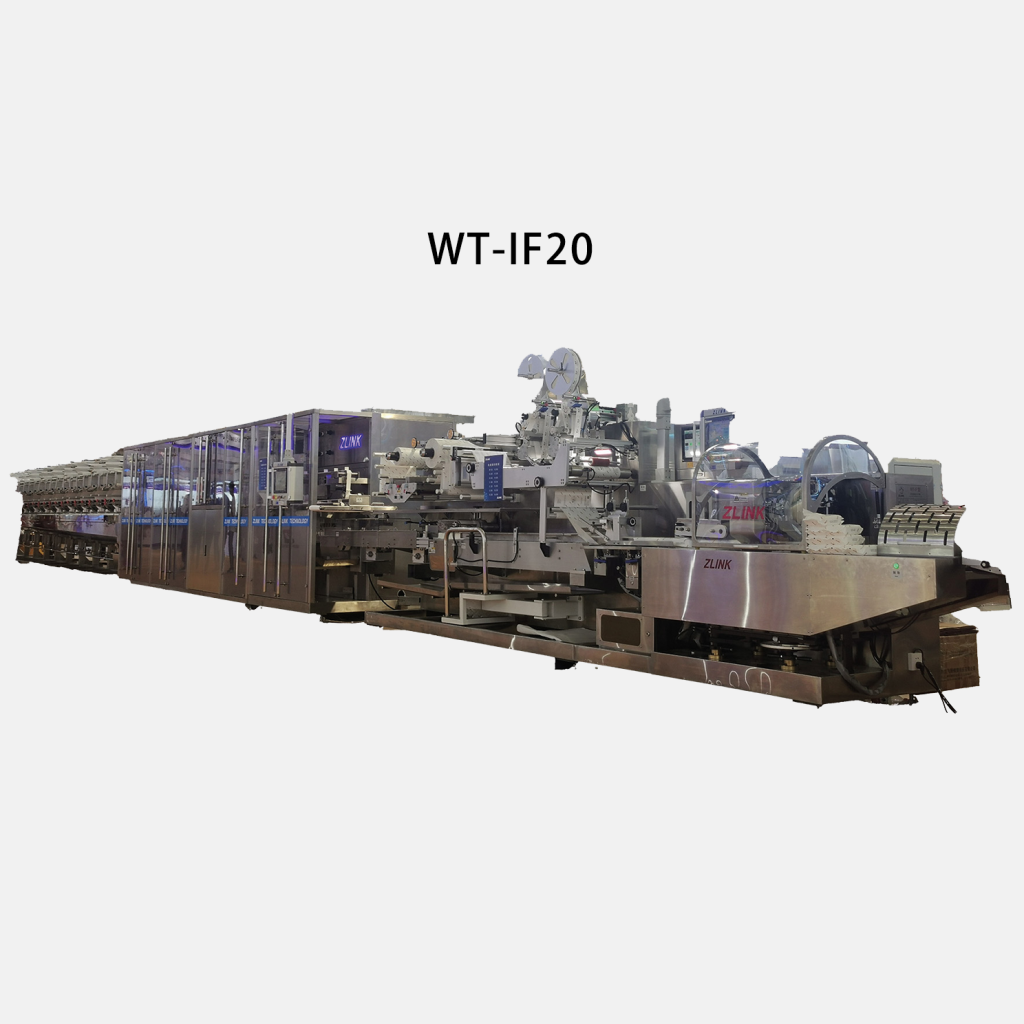
Looking Forward: New Principles and Practical Criteria
Now I want to shift from diagnosis to direction. From what I’ve tested and seen in pilot installs, new technology principles—modular automation, predictive maintenance, and open-architecture PLCs—offer measurable gains. When you revisit wet wipe production line supply choices, prioritize systems that let you swap a servo motor or rewinder module without rewiring the whole line. That flexibility cuts retrofit time and keeps production agile.
Real-world examples matter. I worked with a mid-sized maker who replaced a closed-control pack with a modular controller and added simple vibration sensors—downtime dropped, quality rose, and training became faster. — funny how that works, right? For future-proofing, seek equipment that supports IoT telemetry and clear maintenance logs. It doesn’t have to be exotic. Small steps—better documentation, standardized spare parts, sensible spare pumps—yield big returns.
What’s Next?
We should evaluate suppliers not just by peak speed but by how they support life after purchase. Will they provide remote troubleshooting? Do they have a parts strategy? Can they standardize your cutting die inventory? These questions separate vendors who want quick sales from partners who build sustainable lines.
Three Practical Metrics to Guide Your Choice
As a closing, let me give you three concrete evaluation metrics I use when advising clients: 1) Total Cost of Ownership over five years (including spare parts and downtime), 2) Mean Time Between Failures (MTBF) for critical subsystems like the cross-folding machine and rewinder, and 3) Ease of integration—whether the PLC, HMI, and servo architecture speak a common language. Use these and you’ll notice the difference in proposals—serious offers will include data, not just promises.
I say this from experience: the right production line is part engineering and part partnership. Choose wisely, ask the awkward questions, and insist on transparency—your bottom line will thank you. For practical sourcing and support, consider partners who back their machines with real service—like ZLINK.