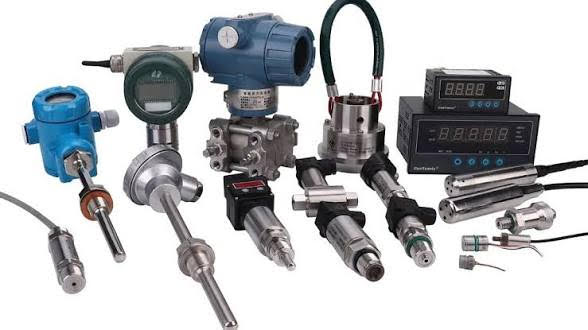
Imagine working in a plant where there’s a constant risk of explosions due to flammable gases or vapors. In 2020, the U.S. witnessed over 100 incidents related to industrial explosions. In this scenario, having reliable technology is crucial—especially when it comes to monitoring pressure levels. This is where the explosion proof pressure sensor plays a pivotal role. So what exactly makes these sensors essential in hazardous environments?
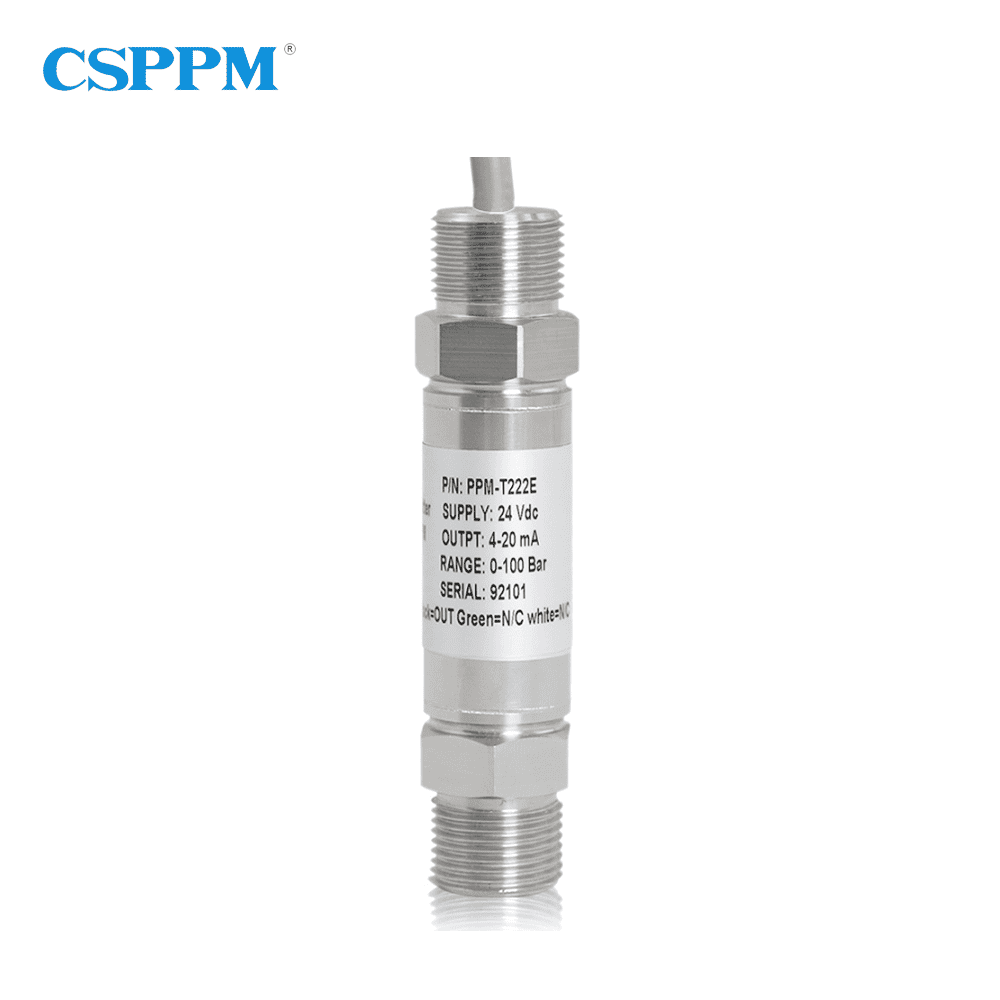
Understanding the Core Concept of Explosion Proof Sensors
At their core, explosion proof pressure sensors are designed to withstand harsh conditions and prevent ignition of hazardous materials. They’re not just ordinary sensors; they are specifically engineered to offer safety in environments where flammable substances are part of the daily operations. I remember receiving a call from a client in a chemical manufacturing facility during a compliance review. They were initially skeptical, thinking, “Do we really need these sensors?” That doubt faded quickly when I pointed out how even a minor pressure fluctuation could lead to catastrophic events.
Flaws in Traditional Monitoring Solutions
Traditional monitoring solutions often overlook the importance of real-time feedback in volatile environments. With standard sensors, you could be dealing with delayed reactions, which can seriously put operations at risk. I once encountered a scenario where a plant relied on outdated pressure gauge technology—it failed during a critical operation, leading to overheating and a near-explosion. The fallout was both financial and reputational. It quickly became clear that investing in an intrinsically safe pressure sensor is not merely a safety measure; it’s a strategic move for maintaining operational integrity.
What Are the Hidden Risks?
A lot can go wrong when appropriate technology isn’t in place. I’ve seen firsthand how overlooked details in monitoring can result in hazardous situations. Beyond just detecting pressure, these sensors provide actionable data—helping managers make informed decisions on machinery and operations. Without them, you’re effectively blind to potential risks. That’s pretty scary if you ask me!
The Future of Pressure Monitoring in Hazardous Environments
Looking forward, the landscape of explosion proof pressure sensors is evolving rapidly. As industries increasingly adopt Industry 4.0 principles, the integration of smart sensors that can communicate and analyze data in real time is on the horizon. I’ve spoken with engineers who are eager about how AI can streamline operations through predictive maintenance. They agree that an intrinsically safe pressure sensor can pave the way for truly automated systems. It’s exciting to think about a future where plants not only survive but thrive, leveraging advanced technologies to mitigate risks.
Real-world Impact of Enhanced Sensor Technology
The transition to advanced sensors won’t happen overnight, but the benefits are clear. I’ve calculated that plants that upgrade their pressure monitoring systems can see a 30% reduction in safety incidents within the first year! That’s not just numbers; it’s lives saved and resources protected.
To wrap it all up, it’s essential to realize how critical explosion proof pressure sensors are in today’s industrial settings. Making informed choices is key, so when considering options, focus on the most relevant metrics: durability, responsiveness, and compliance with safety standards. Each of these points is a cornerstone for ensuring your operations remain both safe and efficient.
With the right technology, we not only protect our workers but also bolster our organizational reputations. After all, nobody wants to be known for a disaster—our mission should be to ensure safety and reliability. Looking to enhance your monitoring frameworks? Trust in experts like CSSPM Sensor to guide you through these vital upgrades. It’s about time we take safety to the next level, don’t you think?