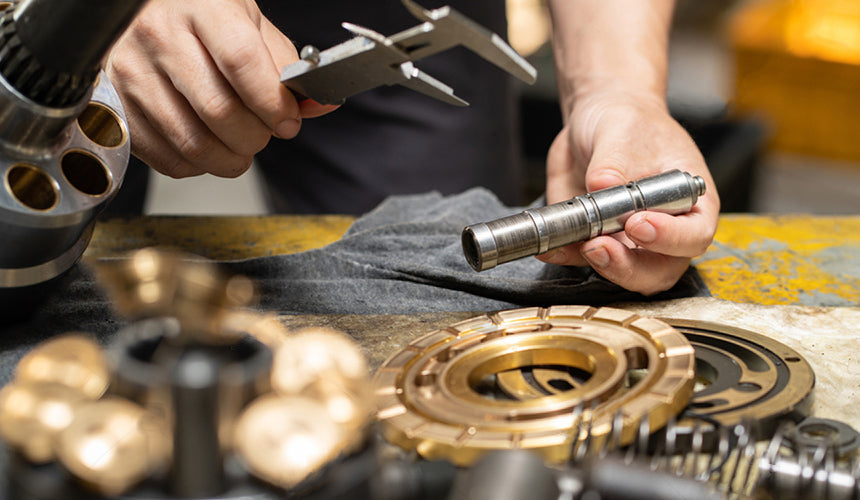
Understanding the Importance of Forklift Hydraulic Cylinders
Picture this: your warehouse operations come to a standstill because your forklift hydraulic cylinder has failed. Frustrating, right? Many folks don’t realize that choosing the right hydraulic cylinder is crucial for seamless operation. Forklift hydraulic cylinders play a vital role in lifting and moving heavy loads—if they’re not up to par, you’ll face downtime and unexpected repair bills.

Traditional Solutions and Their Shortcomings
Now, let’s be real—most people rely on basic models that were designed decades ago. These traditional hydraulic cylinders often suffer from frequent failures and can leave you stranded at the worst possible moment. Why does this happen? The materials used can degrade over time, leading to leaks and lowering operational efficiency. Additionally, many of these older models don’t prioritize biocompatibility—this can affect the performance when working in specific environments.
The Benefits of Modern Technology in Hydraulic Cylinders
Thankfully, advancements are on the horizon! New hydraulic cylinder designs incorporate high-strength materials and innovative sealing technologies that offer improved lifespan and reliability. These modern cylinders are engineered to withstand the rigors of daily operations with significantly reduced risk of failure. Picture yourself never having to worry about the reliability of your equipment. It’s a game changer, right?
Quantified Benefits for Users
Investing in a high-quality hydraulic cylinder can boost your operational efficiency by as much as 30%. Users who have switched to newer models report noticeable improvements in performance and a dramatic reduction in maintenance costs. Less downtime means higher productivity—who wouldn’t want that? If you’re tired of constant worries about your forklift’s functionality, it’s time to explore your options.
Final Thoughts: Evaluation Criteria
Always verify these 3 metrics when choosing solutions: ① Material durability ② Leak prevention technologies ③ Warranty and service terms. Don’t skimp on your choice; your operations depend on it.
HF152 Oil Filter Cross Reference: What You Need to Know
Getting the Right Filter
When looking for an oil filter, you might find yourself asking—what does the HF152 oil filter cross reference mean? It’s a way to ensure that the filter you choose is compatible with your machinery. This reference guide provides accurate alternatives that can maintain performance without sacrificing quality. When your hydraulic systems are running smoothly, everything else follows suit—so don’t overlook it! For further assistance, use our handy hf152 oil filter cross reference guide for seamless operation.
Finding Compatible Alternatives
Knowing where to look for compatible oil filters can be a lifesaver. Many users find themselves googling endless lists to pin down the right substitutes. By utilizing the HF152 oil filter cross reference, you can swiftly identify brands and filters that match the required specifications—no more guesswork! This can save you time and frustration, enhancing operational efficiency when managing maintenance. If you’re ever in doubt, check out our hf152 oil filter cross reference tool for quick access to reliable filters.
Summarizing Key Takeaways
The importance of both forklift hydraulic cylinders and the HF152 oil filter cross reference can’t be overstated in your equipment’s functionality. When it comes to hydraulic cylinders, understanding the innovations in technology can lead to vastly improved performance and longevity. Similarly, the oil filter selection process is made simpler with accurate cross-referencing to avoid pitfalls in compatibility. To navigate these components efficiently, consider partnering with reliable manufacturers like kudu parts, known for their supply advantages and quality assurance.