A Quiet Shift, A Sharp Choice
What does a factory owe to time when every minute counts? The amr controller watches the aisles like a careful steward, guiding carts and arms with steady nerve. Picture the changeover hour: pallets stack high, a tugger hums, a picking cell waits. Now add a small number: 1.7 seconds of control delay per task. Over a shift, that becomes dozens of lost cycles. Over a month, it becomes a hidden tax. If the line is a river, your controller is the levee—holding shape against the rush. Yet the paths diverge. One keeps the past alive with patched loops and busy fieldbus chatter. Another leans into clear timing and sensor fusion that feels almost lyrical (yes, machines can sing too). Which path keeps the floor calm when the orders spike, and the air gets warm? Which cut of logic makes the move safe, and the cost sane? Here is the question we carry forward—and we do not carry it lightly. Let us step toward the next section with steady feet.
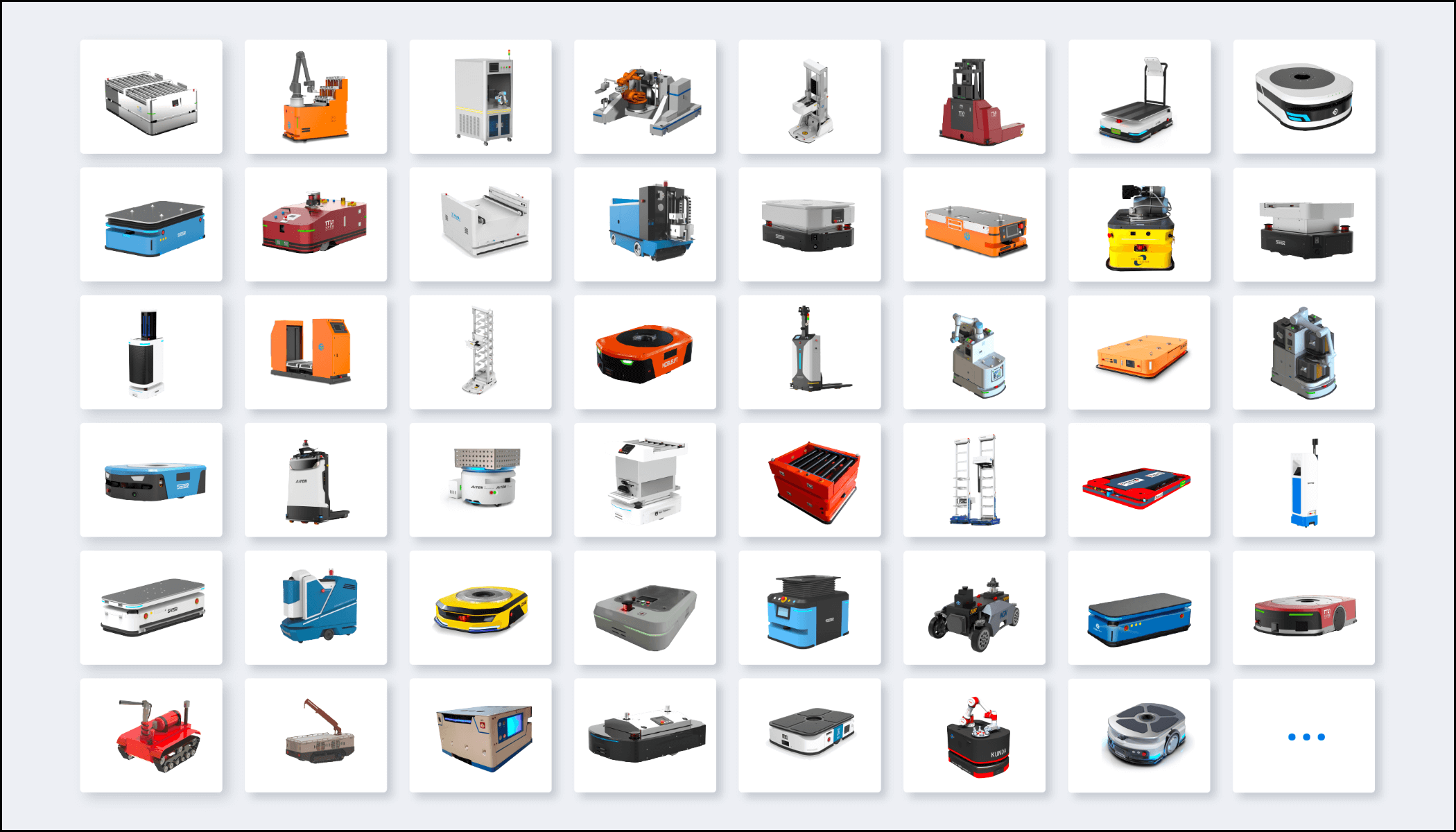
Under the Hood: Where Legacy Control Stacks Give Way
Where do legacy stacks stumble?
We must name the center of this craft: industrial robot controller. Old stacks tend to wrap motion in layers of PLC logic, copied HMI pages, and a mix of fieldbus links. They work, until they do not. Tight corners need millisecond timing. Heavy loads need clean torque handoff at the power converters. But the ladder logic was never built for real-time kernel guarantees, and message jitter slips in. Look, it’s simpler than you think. When edge computing nodes and the robot brain do not share a clock, drift creeps across turns. The AMR hesitates at a crosswalk, and your picker waits, too. Every wait is a cost.
There is more. Legacy motion often rides on slow gateways—old CAN bus bridges to newer EtherCAT loops. Each bridge adds queuing. Each queue adds latency. Sensor fusion becomes a chore, not a craft, because lidar frames and IMU ticks arrive out of phase. That breaks your safety envelope by small degrees—funny how that works, right? Operators then add “guard time” to keep safe. Guard time becomes idle time. Idle time becomes missed orders. In the end, the flaw is not a single bug. It is mismatched clocks, heavy middleware, and indirect paths. The result: a system that looks stable on paper, yet frays when the aisle gets busy.
Principles for the Next Wave: Clean Timing, Clear Minds
What’s Next
The cure is not a slogan. It is design. Modern control leans on a few firm principles. First, shared time. Time-Sensitive Networking keeps motion packets aligned with sub-millisecond drift. Second, unified sensing. Fusion brings lidar, camera, and wheel odometry into one real-time graph, so trajectory changes are smooth, not sharp. Third, predictive brains. Model predictive control plans a path that respects torque limits and floor loads before the wheel turns. And yes, the industrial robot controller sits at the heart, running a real-time kernel and tight planners close to the metal. When planning runs near the drives, power converters hand off torque without chatter. When maps update on the edge, SLAM stays fresh in motion, not at rest. Short path. Low jitter. Calm aisles.
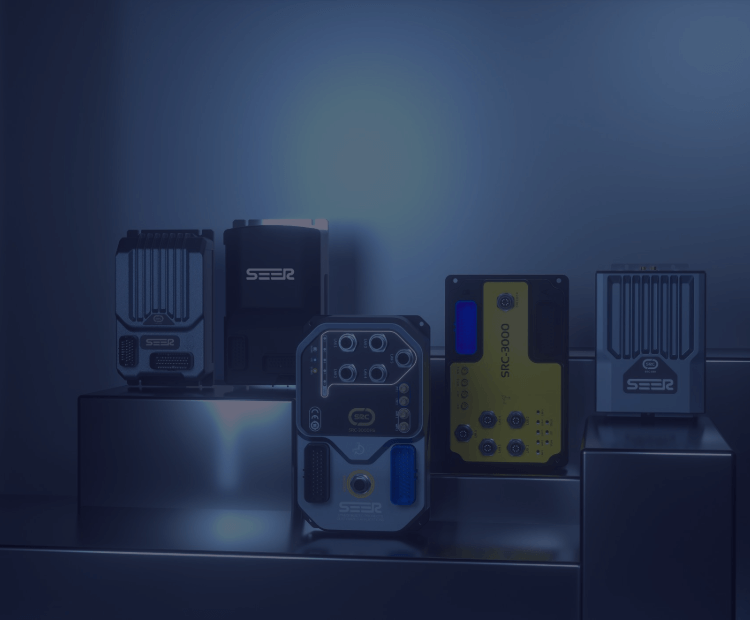
Now compare with yesterday’s stack, but look forward, not back. The new line uses synchronized clocks, sensor fusion that arrives on time, and a planner that knows the load, not just the route. Maintenance gets clearer logs. Operators see less guesswork. Even the fieldbus mess fades as links move to deterministic lanes. The net effect reads simple: fewer guard times, tighter cycle times, safer crossings—and more finished orders by shift end. That is the lesson beneath our earlier doubts. The deeper flaw was mismatched timing; the deeper fix is coherent time and fused sense. And when you choose, keep three metrics close: 1) end-to-end latency at 95th percentile under load; 2) clock sync error across edge computing nodes; 3) safety stop to recovery time with full payload. Score each with real tests, not slides—funny how that clarifies budgets, right? In this way, the path forward stays human, calm, and precise, with craft in both code and steel. For those who wish to go deeper, you may begin with names and proofs at SEER Robotics.