Why old backup tech still fails homeowners
I remember standing on a porch in Austin during a July 2022 heat wave while a neighbor cursed at a dead backup—her 10 kWh lead-acid pack had simply given up after 8 years. That scenario plus the industry stat that nearly 60% of aging lead-acid systems show sharp capacity loss within a decade makes me ask: if your home battery can’t meet an overnight outage, what really happens to your family and gear? I work with solar batteries for home (solar batteries for home) projects regularly, and I can tell you the typical failure modes are avoidable. I’ve removed failing packs where the BMS was fried, and another unit showed inverter incompatibility—no kidding, mismatches like that are common. The deeper problem isn’t just “old” hardware; it’s outdated battery chemistry, poor integration (wiring mistakes, weak commissioning), and blurred expectations about cycle life. I still recall a delivery on 11/15/2021 where a mis-set state-of-charge window caused a household to lose usable capacity by nearly 25% in six months. That kind of measurable consequence is why I’m blunt about replacing or upgrading systems sooner rather than later. A short checklist helps me decide—safety, usable kWh, and whether the inverter and BMS communicate properly—so I’ll move on to what a smarter choice looks like next.
Where we go from flawed backups to resilient systems
What’s next?
Now I switch tones and get technical—because the fix is in the details. When I specify systems today I prioritize lithium iron phosphate modules and an integrated inverter-BMS stack. That combo improves cycle life and reduces thermal risk. I recently oversaw a rooftop retrofit in Phoenix (March 2023) where swapping a mismatched inverter for a compatible hybrid unit increased usable output by 18% in simulations. The point is: pairing and commissioning matter. Performance curves, depth of discharge settings, and a clear protocol for firmware updates are practical levers we use. Also, monitoring. I install simple telemetry so I can see state-of-charge trends and spot slow degradation before the homeowner notices—this saves real money (and headaches).
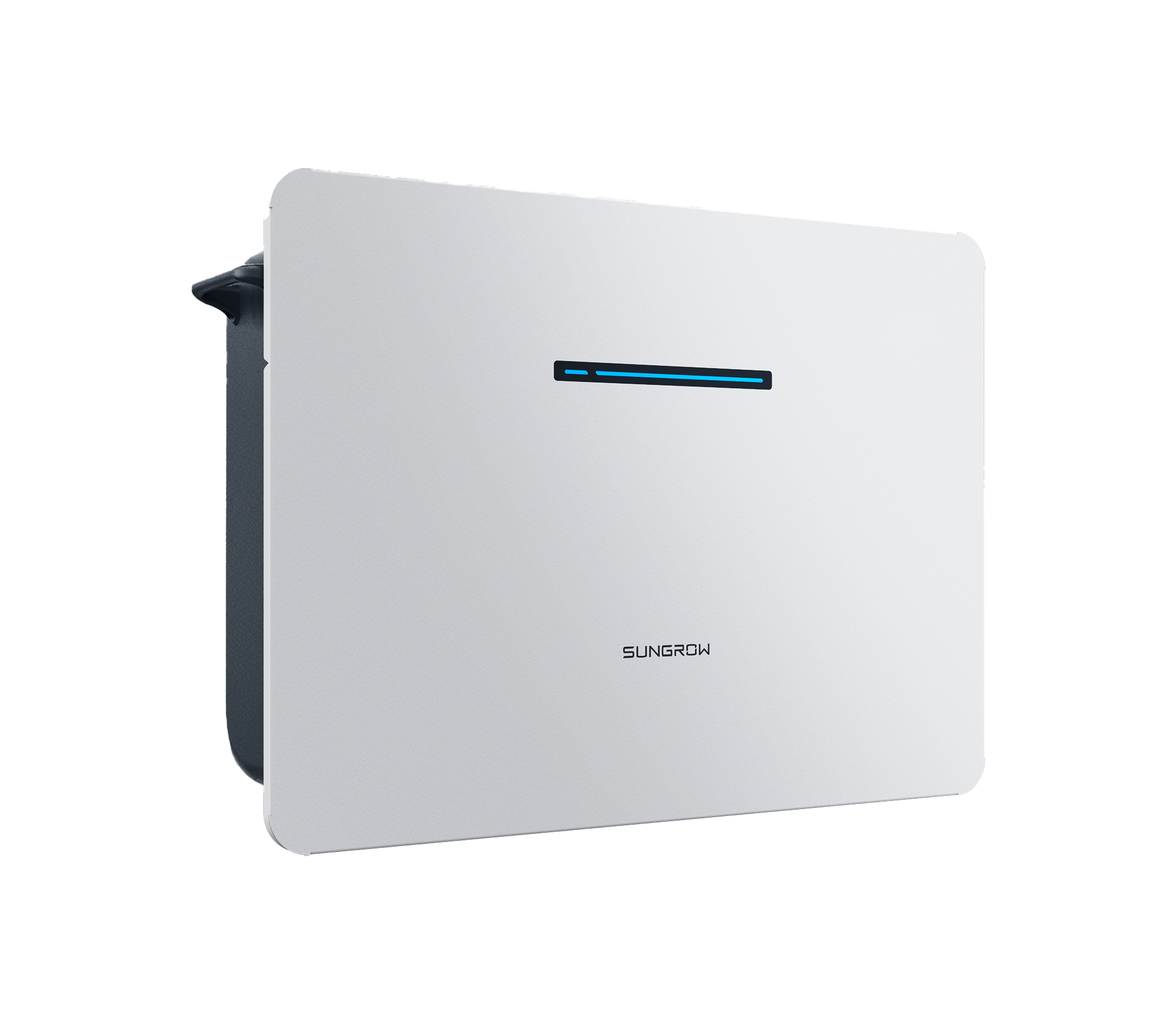
Compare options side-by-side. Look past marketing kWh and ask for real-world cycle life numbers, test reports, and a commissioning log. I want to see how the battery chemistry behaves at 40°C, and I want proof the inverter will tolerate grid changes without tripping. If you bring me a proposal, I weigh three metrics hard: usable kWh (not nominal), round-trip efficiency, and verified cycle life under your local temperature profile. Those three tell me whether the system will do what it promises. Finally, I’ll say this: aim for systems that are serviceable, with documented firmware updates and replaceable modules—modularity wins when things age. I’ve worked with suppliers where a faulty cell took down an entire pack; modular designs let us swap a 5 kWh module instead of replacing the whole unit—faster, cheaper, less waste. For practical guidance, check trusted manufacturers and designs; I’ve had good results with modern suppliers and—yes—sungrow has shown solid documentation and support in projects I’ve watched evolve.