Why Timing Your Bottle Choice Matters
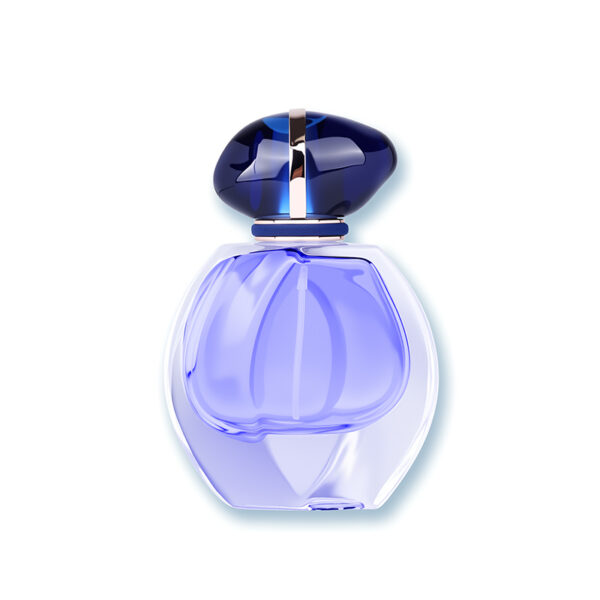
You can grow fast, or you can grow neat—doing both takes planning. In fragrance, the round perfume bottle is more than glass; it’s the first handshake with your customer. Picture a Cape Town indie brand that lands a chain order just now. The mood is lekker, then the numbers hit: MOQs jump to 10,000, lead times stretch past 60 days, and the atomizer pump won’t seat on a crimp finish that drifts by 0.3 mm. Returns go up. Margin goes down. (Ag, no man.) The data is simple but sharp: even a 2% defect rate means 200 units lost per batch, plus rework on packaging lines. So, when do you standardise, and when do you invest in a custom neck or heavier gram weight? And how do you avoid glass haze, label curl, or a sticky pump that kills the unboxing moment—funny how the “small stuff” decides the big outcome, right?
Here’s the rub: decisions on bottle spec often lag behind demand signals. That mismatch makes even good teams look slow. The real question is practical and local: what switch gives you speed without waste? Let’s move from gut feel to a clean, comparative view—step by step.
The Quiet Flaws in the “Stock Bottle” Shortcut
Where do the flaws actually hide?
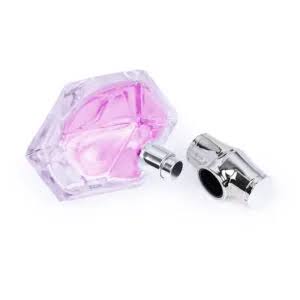
Many brands choose a quick off-the-shelf option and hope scale will smooth things out. With a wholesale round perfume bottle, the surface looks fine, but the deeper fit-up can wobble. Tolerance stack-up on the neck finish nudges the sprayer crimp out of spec. That tiny shift causes micro-leaks in transit and pump stutter on first spray. A bottle that skips a steady annealing lehr profile may pass a casual drop test, yet fail when weather swings on the highveld. Look, it’s simpler than you think: bad variance hides in the neck, shoulder, and weight distribution—not in the glossy hero shot.
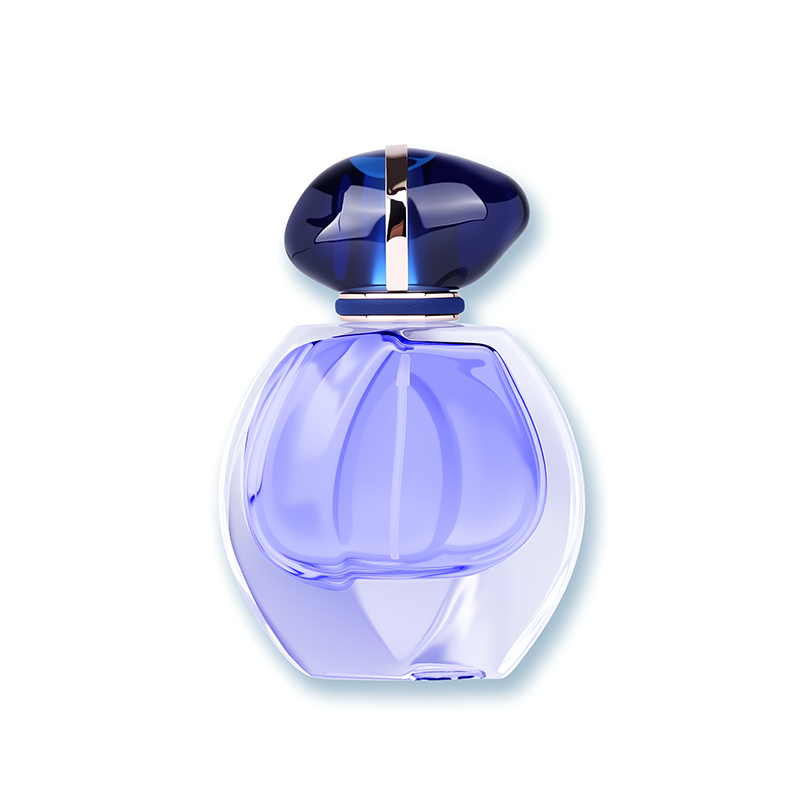
Decoration adds its own traps. Silkscreen opacity can drift if line speed changes; hot-stamping foil lifts when UV coating is cured too hot. Then the MOQ forces you into a one-size-fits-none timeline, and your QC sampling plan catches issues after the fact—when rework is most costly. Even labels drift on curved glass with inconsistent roundness—funny how that works, right? The “stock bottle” path feels cheap at checkout but expensive in total landed cost. The fix is not always a full custom. Sometimes it’s a tighter neck spec, a heavier gram weight, or a verified crimp finish that locks the pump every time.
Smarter Sourcing, New Tech, and the Next Move
What’s Next
Forward-looking teams don’t just pick a bottle; they pick a process. A capable partner uses in-line camera inspection to track mouth roundness, then links that to pump crimp data on the filling line. Some run digital twins of the mold cavity to predict glass flow and chill lines before steel is cut. Others embed QR batch IDs, so you can trace which furnace run matched which defect trend. When you work with a reliable china round perfume bottle supplier, you can spec the neck finish tolerance, validate Cpk on the critical dimensions, and lock a repeatable push-fit or crimp window. Different vibe from the old way—less guessing, more proof.
So, how do you choose between standard and custom without overcomplicating it? Use three clear metrics. First, dimensional control: check neck finish, ovality, and roundness against your pump maker’s sheet, not just a generic drawing. Second, process capability: ask for Cpk and in-line inspection evidence (photos, charts, or audit logs). Third, total flow cost: model lead time, MOQ, and deco yield, not only bottle price. If the numbers line up, standardise. If fit-up or yield keeps wobbling, customise the neck or weight, then pilot before rollout—simple as that. And if you need a sanity check, phone a friend in ops. They’ll tell you which line stoppages hurt most—and which tweak pays back fastest.
In short, scale loves stability, and stability starts in the neck, not the logo. Keep the data close, keep the flow clean, and choose partners who treat tolerances like promises. For a grounded view on specs, process, and traceability that travels well from Joburg to Jebel Ali, have a look at NAVI Packaging.