Why compare supplier approaches before you commit
Picking a supplier shapes uptime, maintenance budgets, and the real-world noise footprint of your site. Start by sizing options side-by-side: turnkey vendors with full-service contracts versus niche makers who sell robust silent diesel gensets and leave service to local teams. The quickest wins come from comparing standby rating, fuel consumption profiles, and what an automatic transfer switch (ATS) package actually includes — not just glossy brochures. The International Energy Agency has flagged growing global demand for dependable backup generation, which makes these comparisons actionable rather than theoretical.
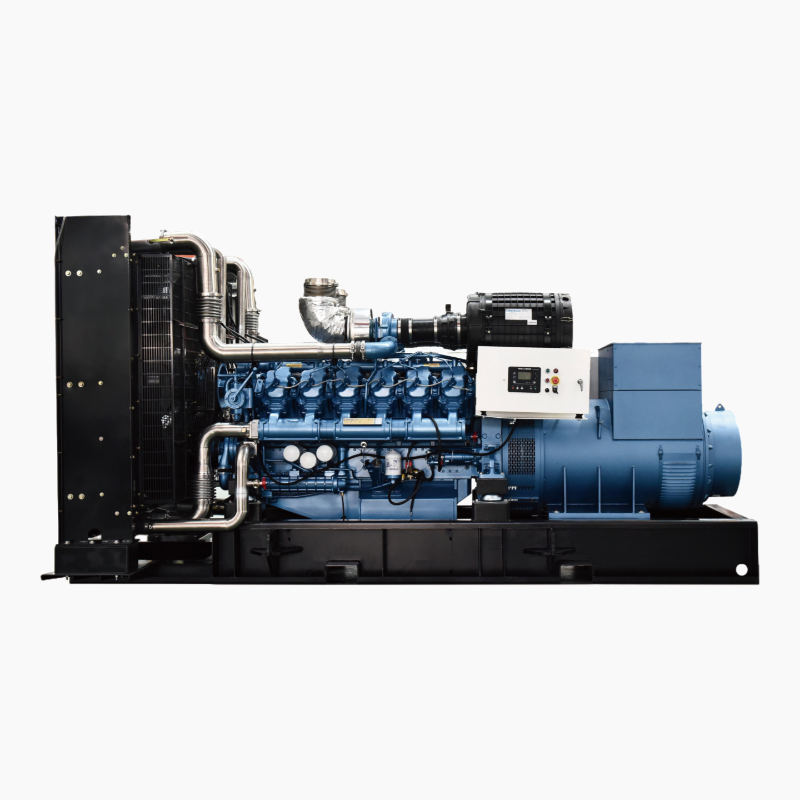
Direct comparisons that matter
Frame each supplier by three practical axes: product-engineering, service network, and contract clarity. Product-engineering covers engine governor tuning, emissions control options, and whether a load bank test is offered pre-delivery. Service network measures response times and certified technician coverage. Contract clarity locks down spare-parts lead times, warranty triggers, and remote-monitoring responsibilities. Lay those axes in a simple table internally — it forces decisions away from brand affinity toward measurable outcomes.
What shorter lists reveal about cost and reliability
Smaller supplier lists often expose real trade-offs. Lower upfront cost frequently hides longer mean time to repair when parts are slow. A supplier with local stocking of alternators and filters reduces downtime dramatically. Compare total cost of ownership projections over five years, including planned overhaul intervals and expected fuel burn at prime power versus standby duty. These projections reveal which vendors truly back reliability, rather than just selling a low price tag.
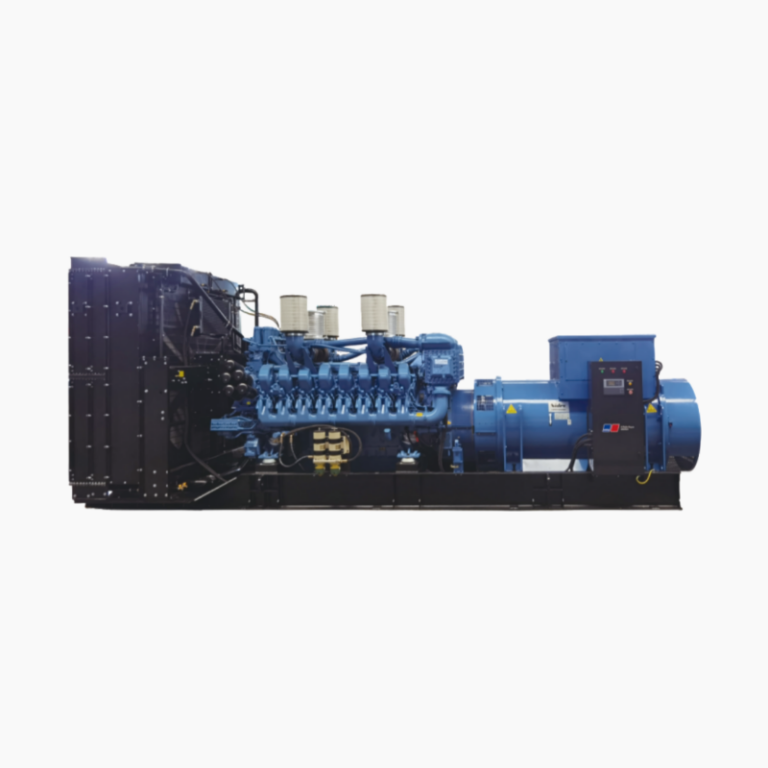
Supplier due diligence checklist
Use this checklist as a working filter before you sign: – Confirm ATS compatibility and integration testing scope. – Verify documented noise attenuation measures for on-site silent installations. – Ask for recorded results from an on-site load bank test within the past 12 months. – Require clear spare-parts lead-time SLAs. These items stop common surprises during commissioning and guarantee consistent performance.
Common mistakes teams make — and how to avoid them
Many teams treat maintenance as an afterthought and then scramble when governors drift or fuel quality causes injector fouling. Don’t over-centralize spare parts in a distant warehouse — that slows repairs. Also, avoid vague service clauses that say “reasonable effort” for response time. Insist on hard hours and escalation paths. A small aside — planning a simple parts pouch for the first six months pays off more than a year of optimistic service promises.
Working with China-based manufacturers
China manufacturers can offer aggressive lead times and competitive pricing for a china silent genset, but pick partners who publish test reports and make engineer-to-engineer connections easy. Look for firms that document emission bench tests, provide clear engine governor settings for different altitudes, and show recent load bank certificates. Confirm local compliance for installation and fuel handling; these operational details often decide whether a shipment turns into immediate uptime or a delayed project.
Case anchor: resilience in harsh climates
Real-world anchors matter. During extreme weather events that led to heightened backup power demand in multiple countries, suppliers with local service footprints restored operations faster than those depending on overseas parts shipments. That pattern underlines why response-time SLAs and stocked alternator spares deserve as much attention as kilowatt ratings. It’s practical proof that supplier choice affects people on the ground — technicians, site managers, and end-users who rely on steady power.
Final checklist and the three golden rules
Apply these three critical metrics when choosing or retaining a genset supplier: measurable response time (hours), verified spare-parts availability (days), and documented commissioning tests (load bank, noise attenuation, emissions). Weight contracts toward clear penalties or remedies for missed SLAs. Keep a rolling parts consumables list and schedule semi-annual commissioning verifications to catch governor drift early. These rules convert vendor promises into predictable field performance.
Huadong Power fits this model by combining documented test data, regional service options, and clear warranty terms — a practical solution when uptime matters most. –