Introduction
Ever wonder why some red light gadgets work for folks and others just sit on the shelf? I been there too — tried a few panels, read the hype, then got mixed results. Advanced red light technology shows promise, but real use tells a different story: users report inconsistent recovery times and patchy skin responses, and surveys hint at wide performance swings (some devices underperform by a lot). So why do two devices that look the same give two different outcomes?
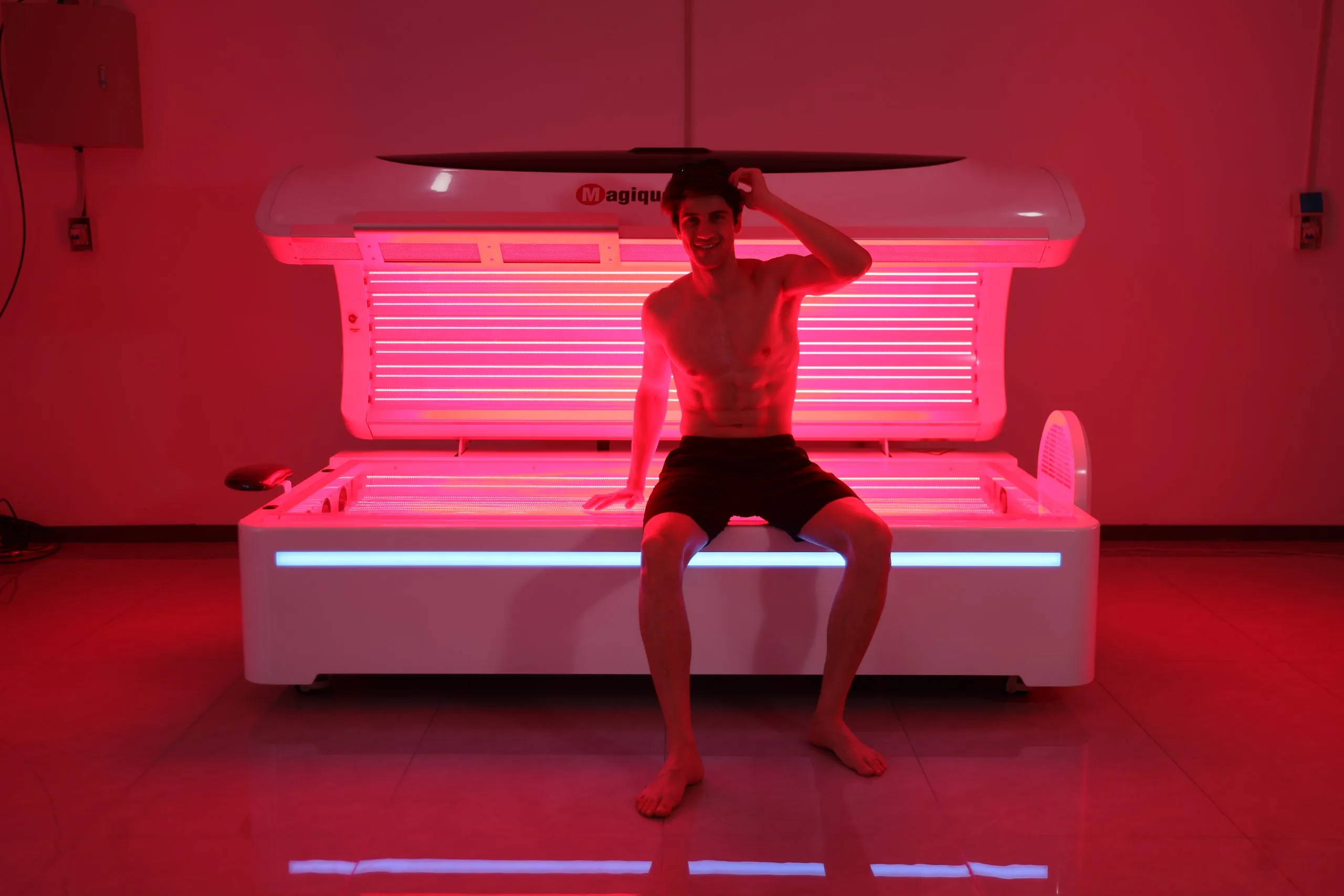
Here’s the scene: a backyard athlete using a handheld unit after practice, a mom trying a panel for sleep, a clinic testing a bulky lamp — same goal but different payoff. I’m looking at device specs, user notes, and a handful of lab readings. The numbers don’t lie — variance in spectral output and irradiance matters — but numbers alone ain’t the whole picture. What I want to do here is break this down plain: what’s the problem, where it hides, and what we should be checking next. — funny how that works, right?
Deeper Problems: Traditional Flaws and Hidden Pain Points
led technologies red light therapy gets talked about like a silver bullet, but when I dig in I find design shortcuts and misunderstood metrics. Technical users focus on wavelength, but old designs often ignore real-world factors like beam uniformity and heat management. That leads to hotspots, uneven dose, and poor tissue penetration. In short: a unit can claim 660 nm and 850 nm, but if spectral output drifts or power converters degrade, the therapy simply won’t hit the target.
Why does the old way fail?
Let me be direct: many manufacturers optimized only for headline specs. They chase peak photon flux without policing wavelength stability or checking the irradiance across the whole treatment area. I’ve seen products with good center irradiance but terrible edge falloff — the middle gets roasted, sides get nothing. Add poor thermal control and aging LEDs; performance falls over months. Look, it’s simpler than you think: consistent maintenance of spectral output and stable power conversion matters more than flashy marketing lines.
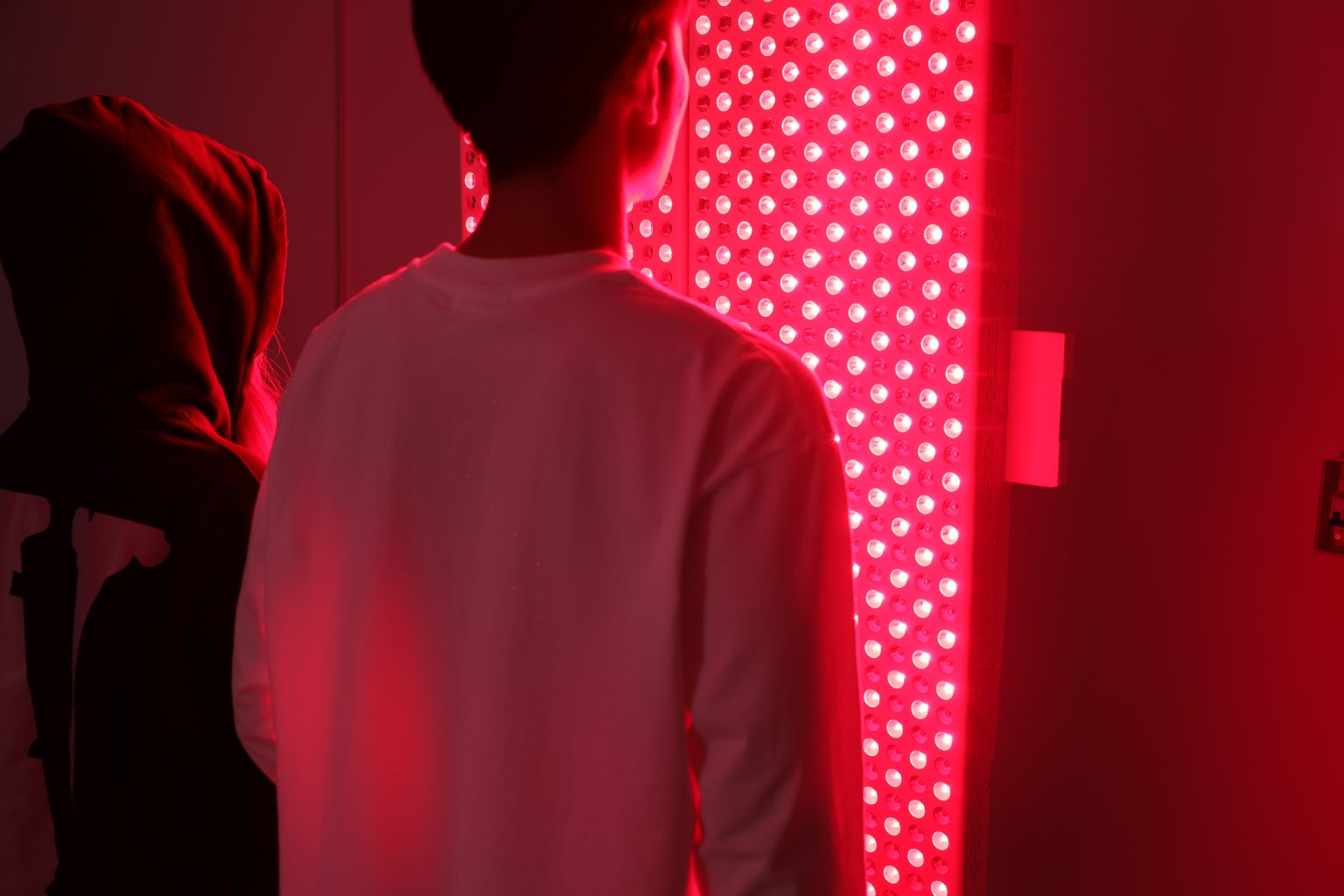
There are hidden user pains too. Folks say the device “didn’t work,” but the real issue might be inconsistent placement, timing, or expectations. Clinics that integrate edge computing nodes for session logging and automated dose tracking see fewer complaints — because they control variables. Meanwhile, home users get vague advice and swap units like socks. We need better user feedback loops, smarter sensors, and clearer metrics. — and yes, I’m a little fired up about that.
Future Outlook: Where We Go From Here
What’s next is both hopeful and practical. I expect future devices to pair refined optics with smarter control systems. When I talk about led technologies red light therapy now, I mean systems that actively maintain wavelength stability, monitor irradiance in real time, and compensate for drop in output as LEDs age. Those are new tech principles that move beyond raw wattage numbers — we’re talking closed-loop feedback, better thermal designs, and cleaner power converters to keep things steady.
What’s Next?
In practice, that means more user-friendly data: session logs that tell you dose delivered, sensors that flag misplacement, and adaptive timing to meet the target photon dose. I’ve seen prototype units that auto-calibrate and they cut complaints dramatically. For clinics and serious users, tying in simple analytics (even via edge computing nodes) can turn guesswork into repeatable results. This isn’t science fiction — it’s incremental engineering and better UX, combined.
To help you evaluate options, here are three key metrics I now use when choosing a red light solution: 1) Wavelength stability — does the unit hold its stated wavelengths over time? 2) Area irradiance uniformity — is the dose even across the whole treatment surface? 3) Real-world dose logging — can you confirm photons delivered, not just watts on a spec sheet? Weigh those, and you’ll stop buying based on looks alone. I’m convinced these checks cut failures by a lot — measurable improvements, not vague promises. — funny how that works, right?
I’ve been testing gear, talking to users, and pushing for clearer standards. If you want a brand that’s starting to do this right, check out Magique Power. I’m not selling hype — I’m asking for better engineering and honest metrics, because that’s how real outcomes get better.