Introduction
I was in a small workshop once, watching a technician mark serial numbers into stainless steel while a faint haze curled up and hung around the lamp like a stubborn fog—you know the sort. The little box over the bench was a laser marking fume extractor, its light blinking away as if signaling calm, yet reports show that up to 70% of small shops still struggle with inadequate extraction and poor filtration (that surprised me). So what does that gap mean for shop safety, product finish and worker health? It means we need to look closer at filters, ducting and the fan impeller—simple terms, big consequences. I’ll walk you through how these machines grew from bulky, noisy units to smarter, quieter systems and why that matters for quality and compliance. Now—let’s move on to where the old fixes fall short and what users really feel.
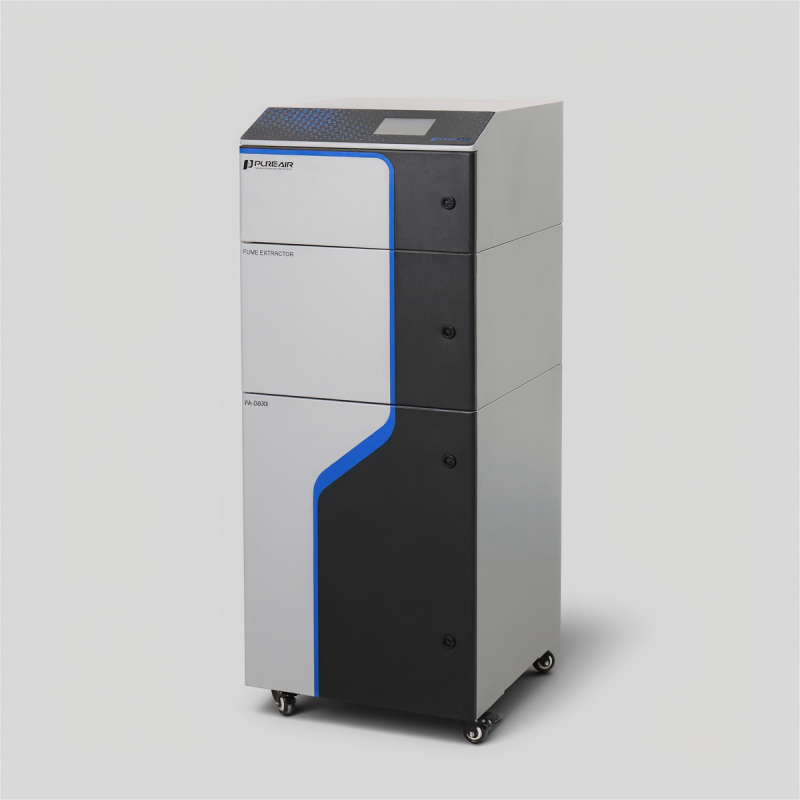
Why Traditional Systems Let You Down
fiber laser marking fume extractor is the main topic here because that’s what most shops buy to solve fume issues—but many of those designs are still stuck in past thinking. Let me break it down: older units often rely on undersized HEPA filters and basic activated carbon stages that clog fast. When filters choke, suction drops. When suction drops, fumes linger and residues settle on parts. I’ve seen it. The fault isn’t always the hardware alone; airflow design, poorly sealed ducting and cheap fan impellers compound the issue. Diagnostic tools rarely get used (maintenance is a chore), so problems go unnoticed until someone coughs or a part shows blemishes.
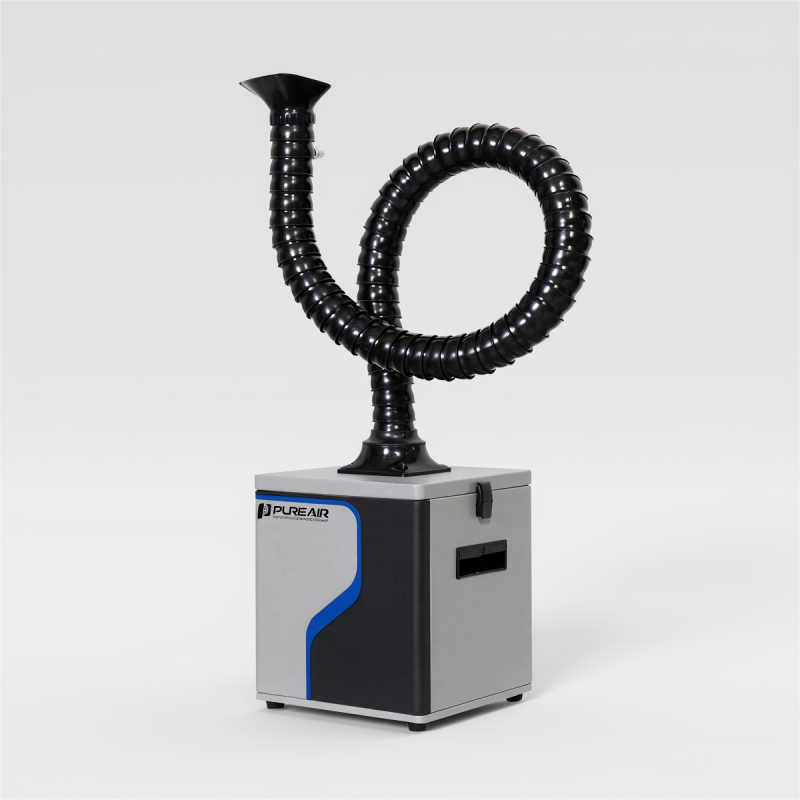
What exactly breaks first?
Most shops find the same three troublemakers: filter saturation, motor overheating due to under-specified power converters, and firmware that can’t report real-time clogging. I’m candid about this—firms skimp on preventive maintenance, and vendors sometimes sell the cheapest unit that “meets spec” without explaining real-world duty cycles. Look, it’s simpler than you think: match filter capacity to workload, check airflow curves, and specify a robust fan impeller. Those steps cut failures and save money over a year.
Principles for the Next Generation of Extractors
Now I want to shift forward and talk about the principles shaping better machines. New designs mix smarter sensors with proven filtration—think pressure-drop sensing across HEPA stages, staged activated carbon canisters for VOCs, and modular filter racks that technicians can swap quickly. The modern fiber laser marking fume extractor pairs that hardware with simple diagnostics. We’re talking clear maintenance alerts, basic edge computing nodes feeding a display, and power converters sized for continuous duty. The result: more uptime, cleaner marks and happier operators—small wins with measurable impact.
What’s Next for shops?
Manufacturers will keep squeezing more intelligence into compact housings—predictive alerts, filter life estimates, quieter fans. That said, adopting these ideas takes change at the bench: routine checks, logging hours, and choosing units that report useful data. I believe that’s doable. — funny how that works, right? When shops commit, they cut rework, reduce complaints, and keep regulators smiling. Below I give three practical metrics to judge an extractor before you spend a penny.
How to Choose — Three Practical Metrics
We’re pragmatic here. If I were picking a unit for my own shop, I’d weigh these three things first:
1) Actual airflow at the point of capture (measured in m3/h) under load — not just the fan rating on a spec sheet. This tells you whether the unit will remove fumes during real marking cycles.
2) Filter system design and replacement cost — HEPA class, staged activated carbon, and whether filters are easy to swap without tools. Real-world cost matters more than headline efficiency percentages.
3) Diagnostic and duty features — pressure-drop sensors, simple status lights or a small display, and a power converter rated for long runs. I prefer units that give clear, actionable alerts rather than vague warnings.
Make these decisions with the shop’s rhythm in mind: mark speed, material type, shift length. The right choice reduces downtime and protects finish quality. I’ve learned that small investments in better extraction pay back quickly in fewer defects, fewer sick days, and a steadier workflow.
In short, we’re moving from reactive fixes to smarter prevention. If you want a tested, shop-ready option that follows these principles, take a look at PURE-AIR — they build systems that follow the practical rules I’ve outlined and—trust me—you’ll notice the difference in the first month.